The Herefordshire Tree Forum
Championing Trees and the Green Environment in Herefordshire and beyond

England’s ancient oak trees dying in extreme hot and dry weather
Woodland Trust says trees struggling in drought stress, with older ‘survivors’ disproportionately affected
England’s ancient oak trees are dying in the summer’s extreme heat and dry weather, according to the Woodland Trust, with trees and ecosystems unable to adapt fast enough to the changing climate. The heatwaves across much of Europe this summer have had a notable impact on crop growth and plant health. To cope with the extreme conditions, many trees are undergoing “early autumn”, wilting and losing their leaves early. Ed Pyne, a senior conservation adviser at the Woodland Trust says "While the impact of the extreme weather is widespread across different species, Pyne said England’s ancient and veteran trees were being disproportionately affected."

84% of homes and workplaces lack the basic tree canopy they need to avoid extreme impacts of heat.
Using data on tree canopy cover
With heatwaves becoming increasingly frequent, the importance of good tree canopy cover becomes ever more important, especially in urban areas where heat is amplified by lots of concrete and asphalt. Trees do a great job at protecting us from the extreme heat our cities face, but only when there’s lots of them and they’re well cared for.
Dr Thami Croeser from the Royal Melbourne Institute of Technology (RMIT) explains the problems cities face when it comes to urban forestry. Click the button below for his article.

Watering Young Trees in a hosepipe ban
Advice from the Tree Council
At the time of writing, neither Dwr Cymri nor Severn Trent has a hosepipe ban, but we are in a drought and should use water sparingly. Drought conditions place newly planted trees under significant stress as they establish their root systems. However, young trees can still be watered, even during a hosepipe ban: under the ‘Update to the Drought Code of Practice 2013’, hosepipes can still be used to water standard trees, saplings, whips and hedging if they were planted within the previous three years, where they cannot reasonably be watered by hand or with non-potable water.

Keeping young trees alive through a dry spell
A Tree Talk Substack post from the Tree Council
With the prolonged hot, dry spell, young trees are particularly vulnerable so consistent irrigation is now one of the most important actions for anyone raising young trees. You don't want to discover just how quickly young trees can suffer! Saplings in pots are especially vulnerable: they dry out faster, heat up more quickly, and rely entirely on us for their water supply. But raised beds and in‑ground plantings aren’t immune either. Beds can crust over, shedding water before it penetrates, and young trees in the ground often struggle when roots haven’t yet spread deeply enough to find moisture. Click on the link below for a Tree Talk article.
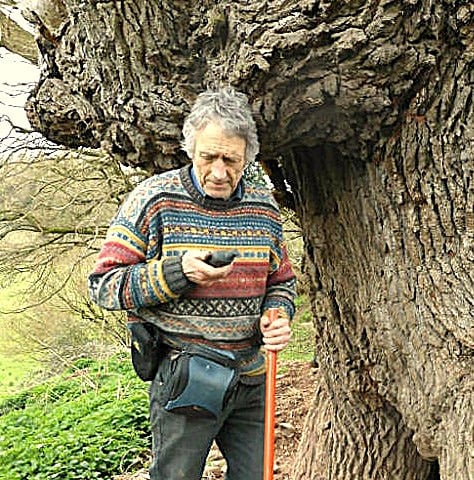
DAVID LOVELACE 1948-2026
We are sorry to have to announce the very sad death of our friend and HTF founder member, David Lovelace, who died on Tuesday 5th May. David will leave an immense gap in the lives of family and friends, but will also be hugely missed as one of Herefordshire’s most knowledgeable ancient tree and woodland specialists; he was well known and highly respected for his long-standing work in woodland conservation, landscape history, and the protection of ancient woodlands.
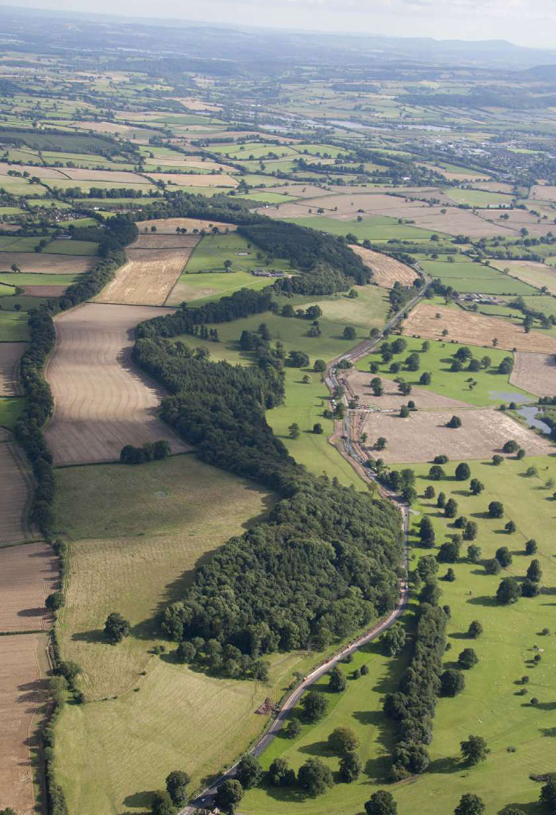
Herefordshire Tree, Hedgerow and Woodland Strategy (H-THaWS)
A SHARED VISION FOR HEREFORDSHIRE'S TREESCAPE
After a four week consultation was carried out by LUC (Land Use Consultants) on behalf of Herefordshire Council, the Herefordshire Tree, Hedgerow and Woodland Strategy has been published and is available for free download.
h-THaws is a strategic plan for the conservation, improvement and expansion of the county's treescape. The document focuses on both urban and rural areas, providing strategies to enhance the local environment, guidance on the management of trees and hedgerows as well as supporting increased planting, and improving the resilience of existing assets.
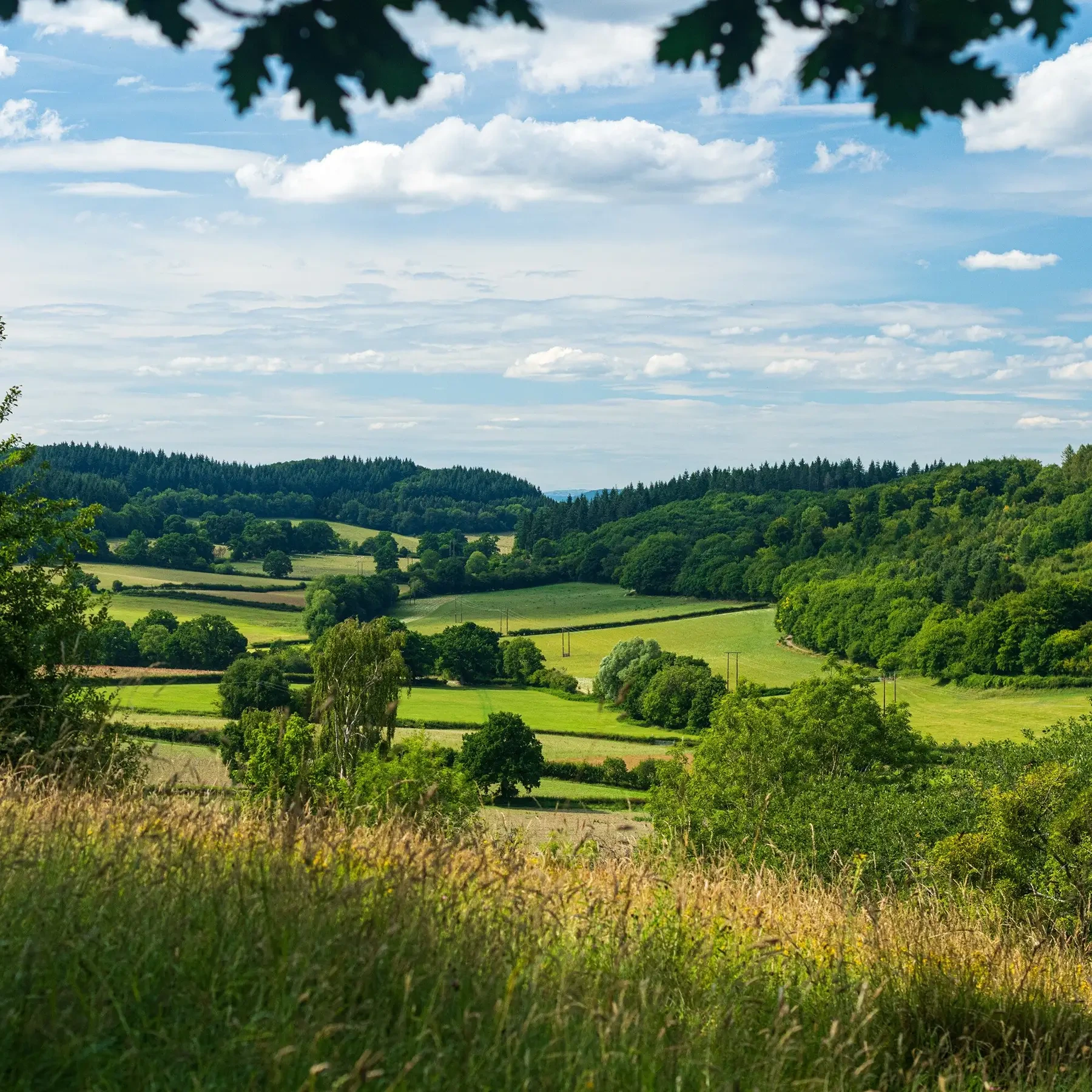
Local Nature Recovery Strategy to restore and protect nature across the county
A Local Nature Recovery Strategy (LNRS) is required by the Environment Act 2021 and It will set out local priorities to restore and enhance habitats and recover populations of species. The Herefordshire LNRS is one of 48 which together will completely cover England and support national policies for nature recovery. This strategy is aimed at reversing the ongoing decline of nature and biodiversity in England, through practical and coordinated action of the implementation of the Nature Recovery Network on a local level.
Does your Parish Council have a Biodiversity Action Plan yet?
Parish Councils have a duty to consider biodiversity in their decision-making and a Parish Biodiversity Action Plan (BAP) can help demonstrate that they are fulfilling this duty. Some helpful guidance for drawing up a Parish BAP with accompanying notes can be accessed by clicking on the button below.
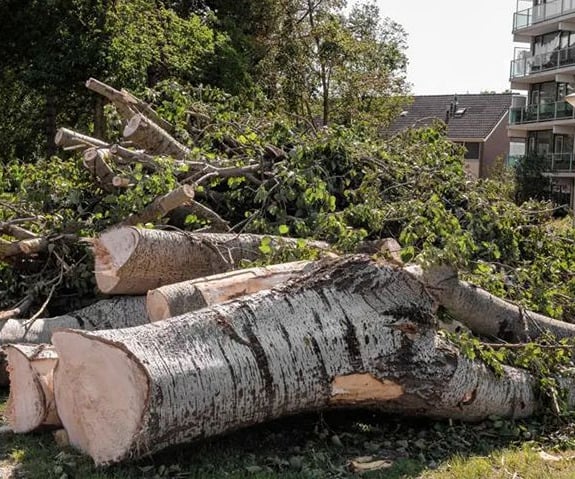
Protected trees are being felled as a "cheap and easy option" in subsidence claims, an arboricultural group has said.
The London Tree Officers Association (LTOA) said trees were being felled across the country because councils were afraid of being liable for expensive property repairs.
Councils in England have given permission to fell more than 1,000 trees which previously had Tree Preservation Orders (TPOs).
A Ministry of Housing, Communities and Local Government Spokesperson said applications to address tree-related subsidence damage must be supported by appropriate information, with other factors eliminated as far as possible.
The BBC analysed 143 Freedom of Information request responses from councils in England. Of those, 10 directly provided figures for the financial years between 2019 and 2024, showing permission was granted to fell 1,403 previously protected trees.
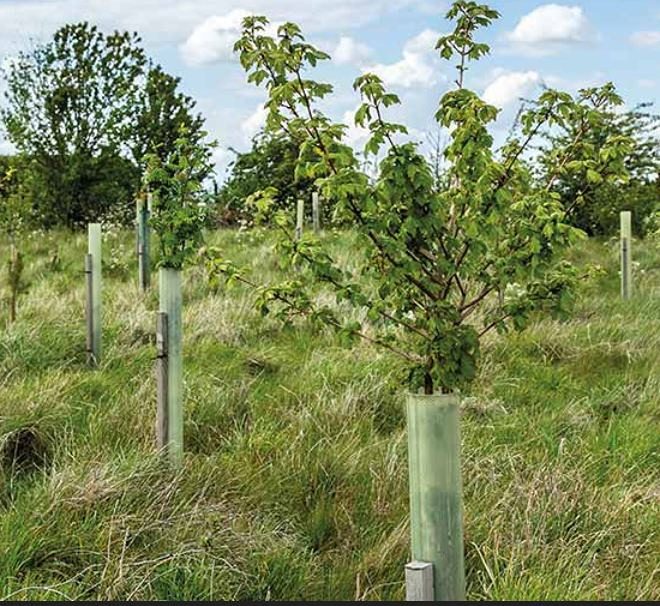
The Tree Council opens £2.5m Trees Outside Woodland planting fund as Defra doubles investment in community trees
The Defra backed Trees Outside Woodland (TOW) Fund is now open for a second year, with more than double the support available for tree, hedgerow and orchard establishment projects in England. Following huge demand in 2025, the Trees Outside Woodland Fund, a collaboration between national environmental charity, The Tree Council, and Defra, opens today, offering grants of up to £40,000 for local authority and charity-led projects.
Supporting initiatives that boost biodiversity, improve air quality, reduce flood risk and create meaningful environmental enhancements for communities across England, the fund is specifically designed to encourage establishment of the trees we encounter most often in daily life – including those in parks, playgrounds and streets.
Observertree: monitoring tree health
A UK network of over 200 citizen scientists who undertake a range of surveys, spotting new tree pests or diseases and monitoring the spread of existing ones.
To find out more about becoming a volunteer, click on the image
A Major new report from Action Oak reveals the UK’s most iconic tree is facing a convergence of threats unseen in modern times
Oak trees (Quercus spp.) are among the most iconic and ecologically significant tree species in the UK. They are a vital part of the UK’s biodiversity, cultural heritage and economy, supporting more than 2,300 species and contributing environmental, social and economic benefits estimated at £0.7 billion each year and yet relatively little is known about them, the threats they are facing, and how they are faring in the face of multiple stressors. The new report sets out the current state of UK oaks by bringing together key information, monitoring data and a review of existing work, while identifying important evidence gaps. It reveals the UK’s most iconic tree is facing a convergence of threats unseen in modern times, with scientists warning that without urgent action the UK risks losing oak as a defining feature of its landscape. This report deserves to be read by anyone with an interest in and concern for our native treescape
Recognising & Categorising Ancient & other Veteran Trees
The Woodland Trust has now has revised guidance providing a transparent and reproducible method to recognise and categorise ancient and veteran trees. It includes a one-page categorisation key to highlight their distinguishing characteristics, alongside more comprehensive guidance to support anyone to recognise and categorise these special trees.
Over time, different definitions of ancient and veteran trees have caused confusion in categorising them. This guidance seeks to clarify these terms, helping practitioners, volunteers, developers, planning authorities and nature enthusiasts to correctly categorise these living legends.
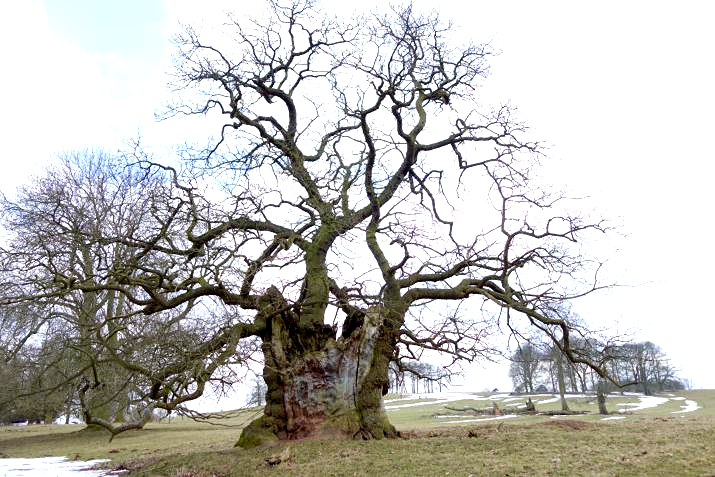
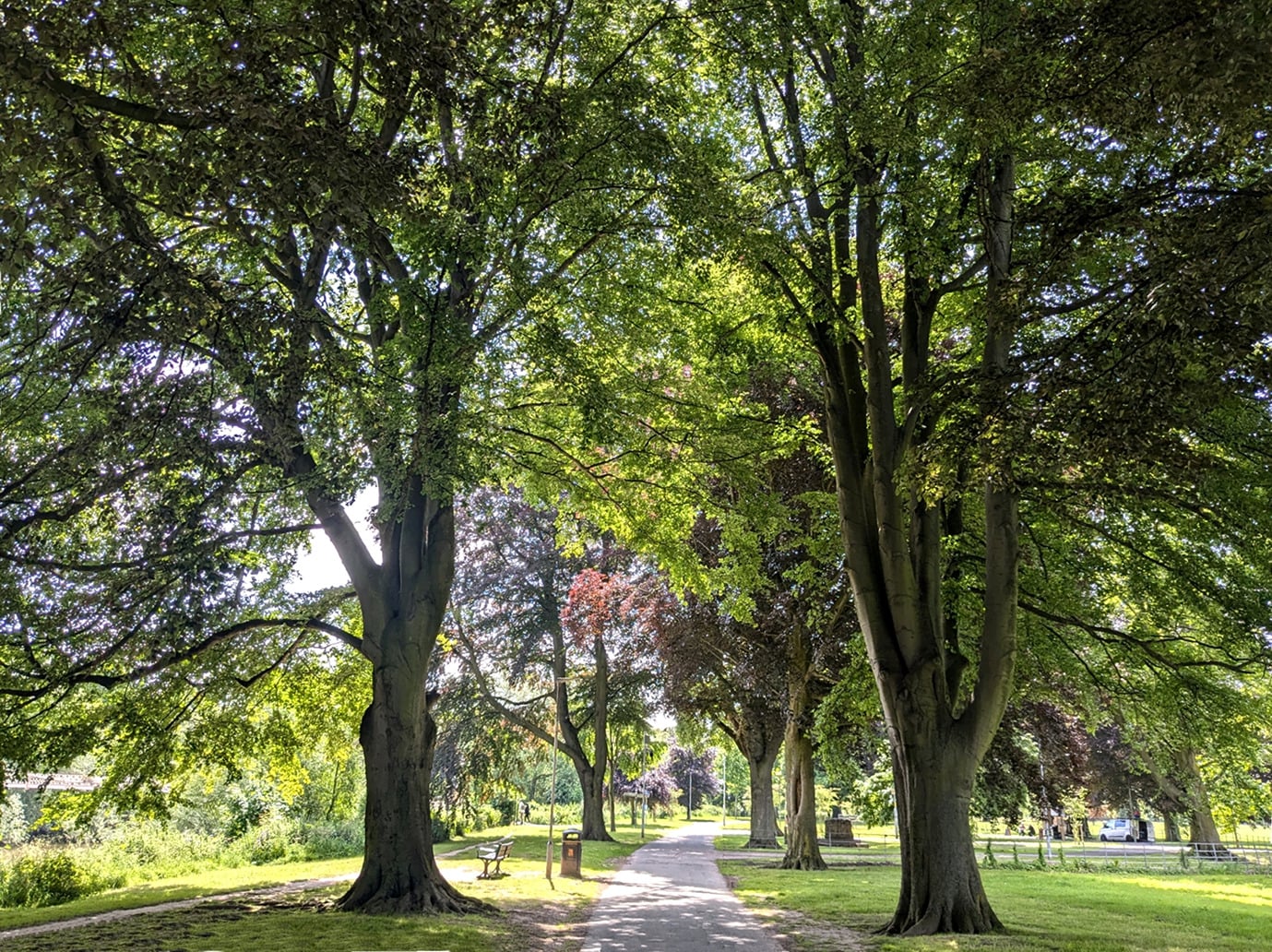
TREES OUTSIDE WOODLANDS: comprehensive, free-to-use T.O.W. maps released for England and Wales
Trees outside woodland provide valuable ecosystem services such as habitat connectivity, carbon storage, and social and health benefits. Now available for all to access, the Trees Outside Woodland (TOW) map shows all trees taller than 3 metres and of area of greater than 5 sq.m, thereby picking up small woods, groups of trees and lone trees where they exist outside woodland. (Woodland trees are included in the National Forest Inventory)
This is the first time a national, free to use Trees Outside Woodland (TOW) map has been produced. Details of the project available HERE
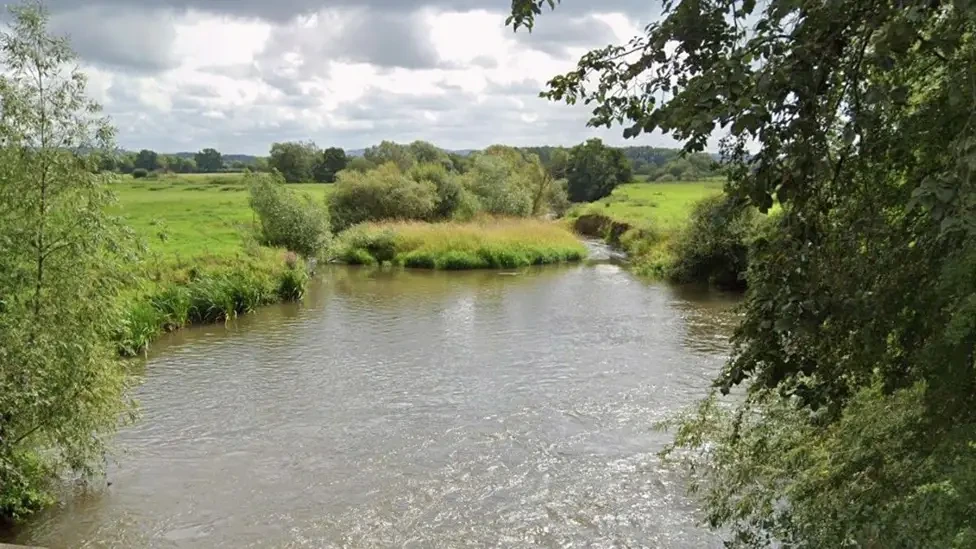
Assessing the Health of the River Lugg: An Update
Natural England has completed a detailed condition assessment of the River Lugg SSSI, part of the nationally protected River Wye catchment. A blog sets out the findings of that assessment, explaining the key environmental pressures, including excess nutrients, fine sediment and invasive species, that are contributing to the river's "unfavourable-declining" status.
It follows up a report form 2025 showing that the river was among the worst for hazardous chemicals.
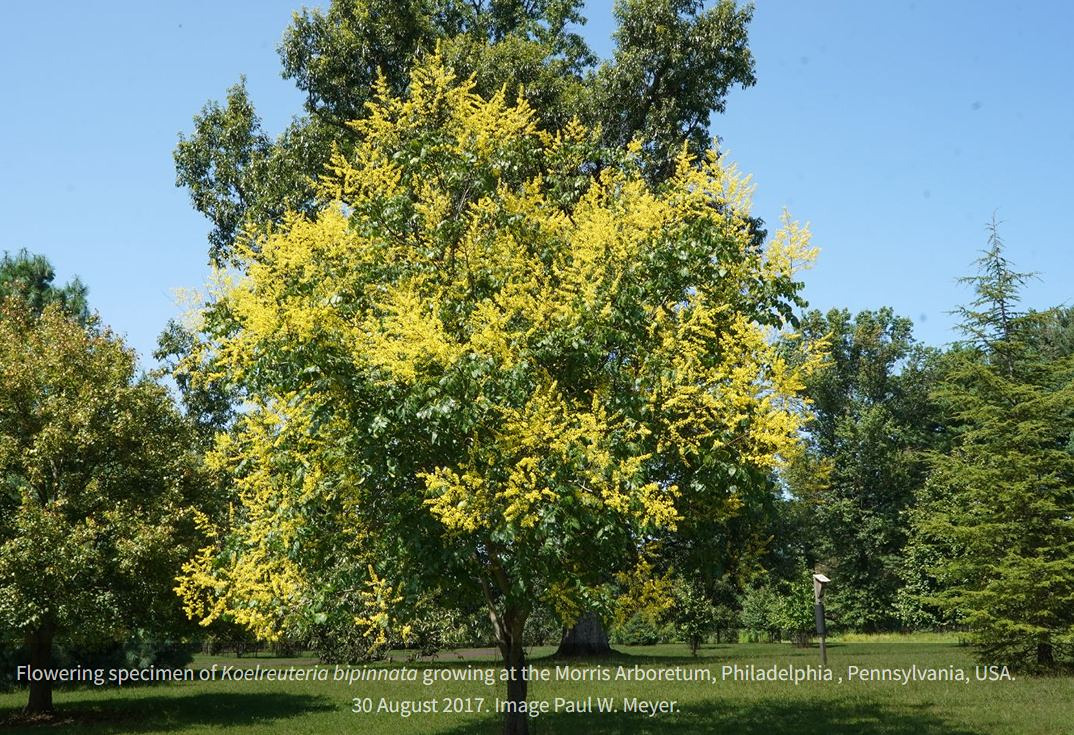
Trees for Climate Change. Advice from the RHS and Kew
Trees are potentially long-lived and it is highly likely that they will face a significantly different climate when mature. In view of this, anyone selecting trees for planting now and in the future needs to be assured that they are choosing species that can withstand whatever changes climate change might bring about. The RHS has provided some advice on choosing trees for climate resilience, while experts at Kew, with its collection of 11,000 trees, have undertaken an analysis of the suitability of their existing tree collections for the future climate in this part of the UK, as well as having researched and refined potential sources of ‘new plants’ from places with climatic conditions analogous to our predicted temperatures and rainfall patterns.
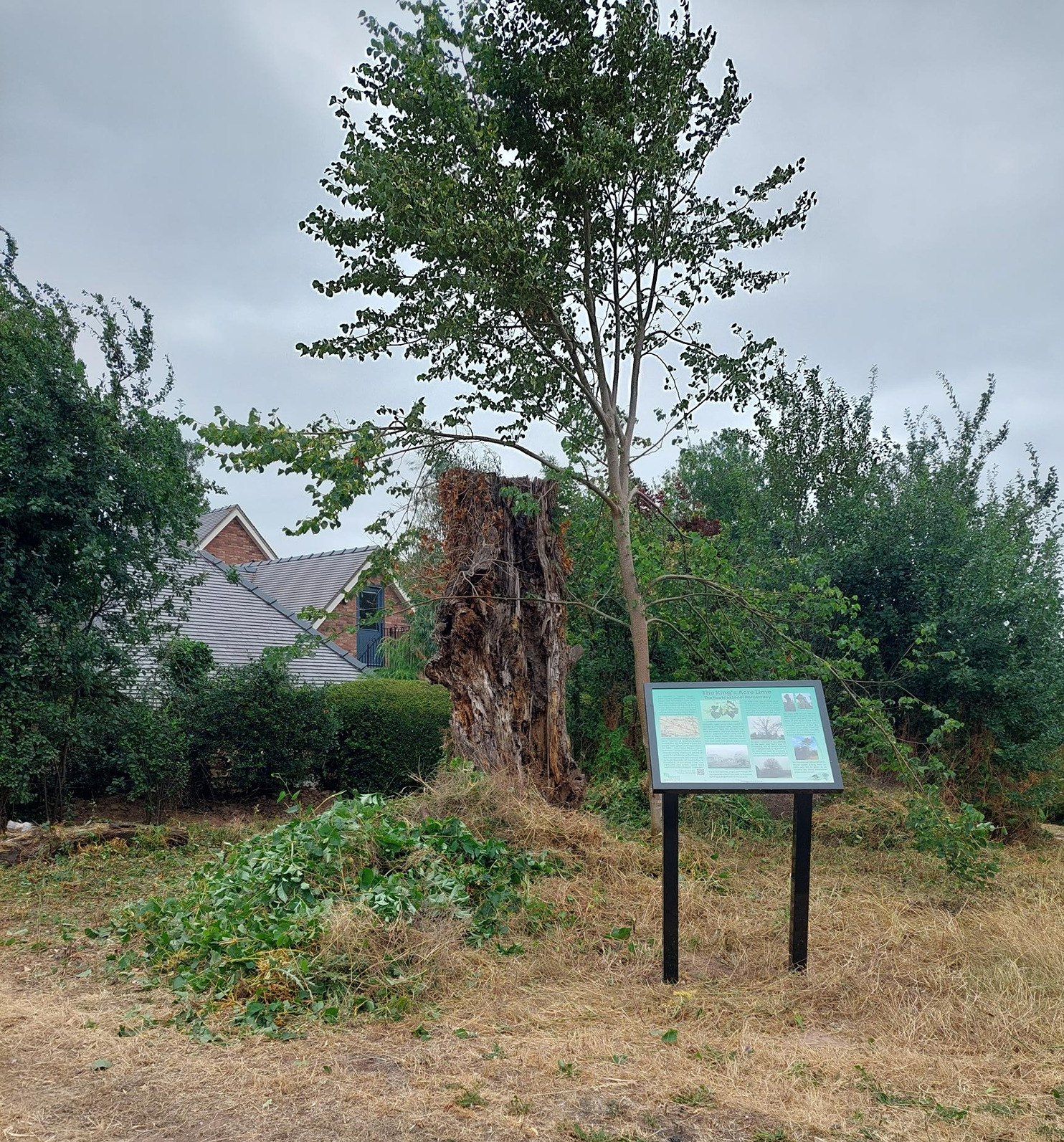
The King's Acre Lime tree
For centuries in England, ancient trees marked community meeting places and boundaries. One such tree, the King’s Acre Lime, was an important marker on the road west from Hereford to Kington and Brecon.
This historically significant site on the western edge of Hereford has been brought to wider public attention with the installation of a new interpretation board, highlighting the remarkable story of an ancient lime tree and its role in the city’s past.
To see the new board click HERE or on the photo.
As with all Green Infrastructure projects, regular upkeep is necessary, in this instance, to maintain its air of visual importance as well as right to life! Much has been written about this historic tree and its forebears, and now its descendant on the right of the ancient stump is taking centre stage as the stump crumbles. Plans include removing some of the roots in front of the old stump, which are currently throwing up copious suckers (epicormic growth) making it difficult to brush cut and keep generally under control. When that is done, wild daffodils and English bluebells will be planted this autumn, with several local neighbours keen to help the city tree wardens in general management.
For more info on the fascinating history of this site, written by historian David Whitehead, click HERE. And if you are passing, stop and take a look at the Interpretation board City TWs, led by local TW Emil Morfett, ‘planted’ with our editor’s help earlier this year. Park just inside Blue Diamond car park and walk the 200 yards or so along the footpath on the city side of the car park to avoid the road’.
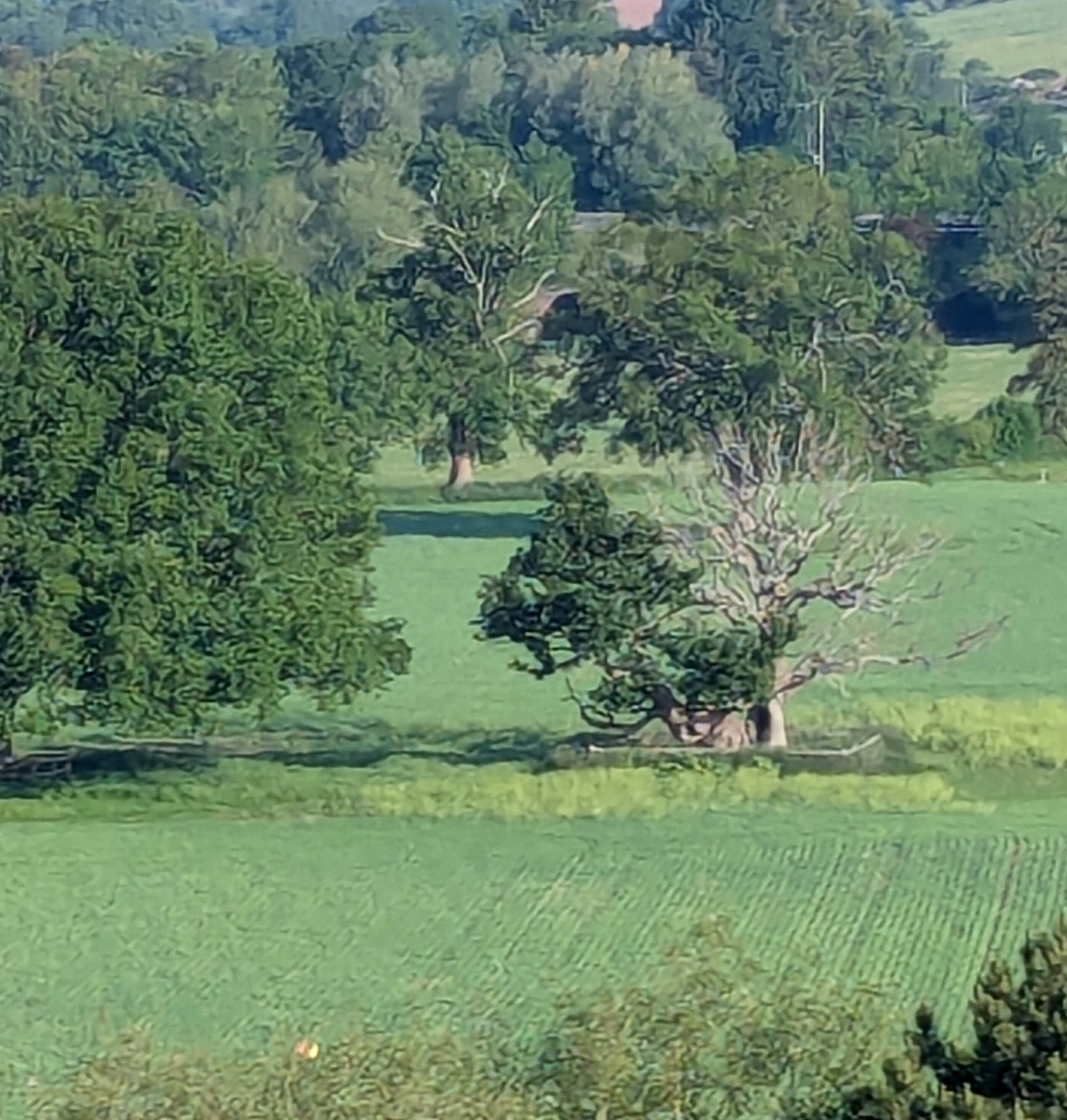
Can the Old Oak of Ross be saved?
Herefordshire is home to more ancient oaks than most counties, more indeed than can be found throughout many other European countries, and the Old Oak of Ross is one of that number. It has survived for perhaps 900 years but over the past ten years or so its condition has declined. The image on the right, taken May 2025, shows the Old Oak to the right of a much larger tree which, however, only dates from the 1920s. it can be seen that the section on the right appears to be dead although the left-hand part of the crown still bears green foliage. The reasons for the relatively sudden decline of the tree are uncertain but may be the result of the inundation by polluted water from the river Wye or perhaps as a result of historical agricultural practices. It can be seen that an agricultural exclusion zone has now been established around both the Old Oak and its younger neighbour.
Benhall Farm, within which the tree is situated, is tenanted, being part of the 13,000 acres that forms the Duchy of Cornwall's Herefordshire Estate. The duchy has been approached with the aim of initiating a programme of research to determine the cause of the decline and to put work in hand to improve the tree's growing conditions with the aim of halting and perhaps reversing the tree's deterioration. A grant application to fund these works has been presented under the 'Farming in Protected Landscapes' (FiPL) scheme. The initial response from the Duchy indicates that it is
"... not in a position to accommodate this [project] at this time".
No further details have been forthcoming.
An ancient Black Poplar gets a life-saving trim
An ancient poplar tree surviving in S. Herefordshire, decayed and at some risk of breaking apart has, over the past ten years, been managed to progressively prune back the crown to create a more compact tree which will hopefully be able to survive for many more decades. More information is available HERE.
Click on the image on the right to view a short video of the most recent pruning operation as recorded by local film-maker David Bishop.
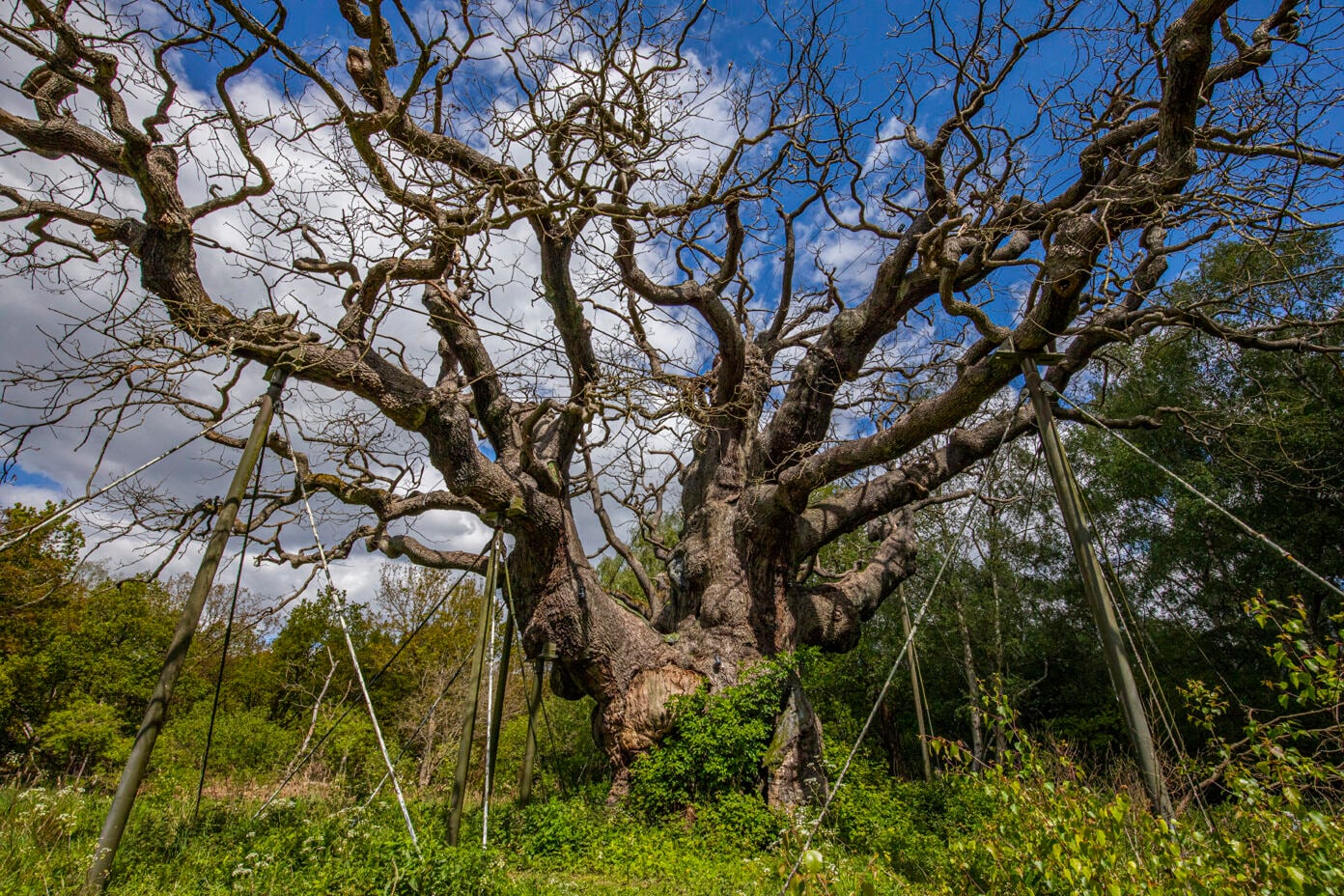
The Major Oak of Sherwood Forest dies
The Major oak, one of Europe’s oldest, largest and most celebrated ancient trees, has died. The huge tree, which has grown in Sherwood Forest in Nottinghamshire, England, for at least 1,000 years, failed to produce any leaves this year, after becoming stressed by a series of hot, dry summers.
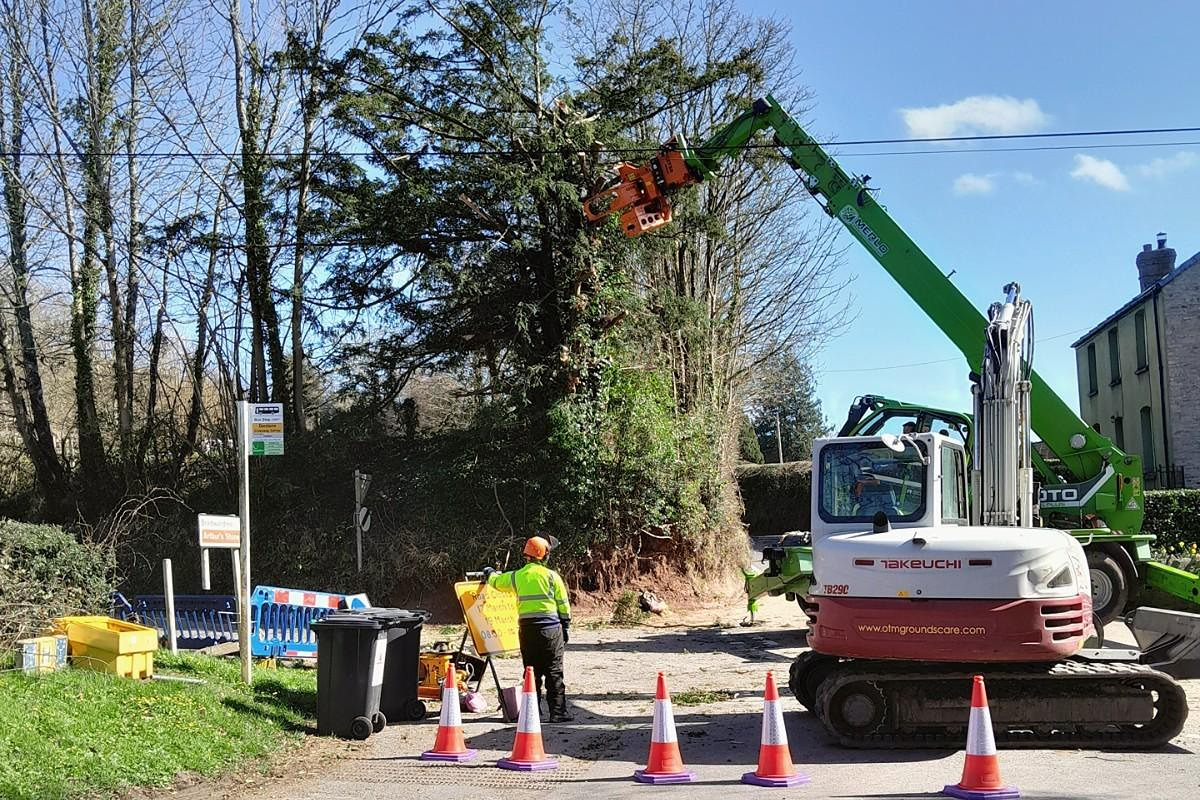
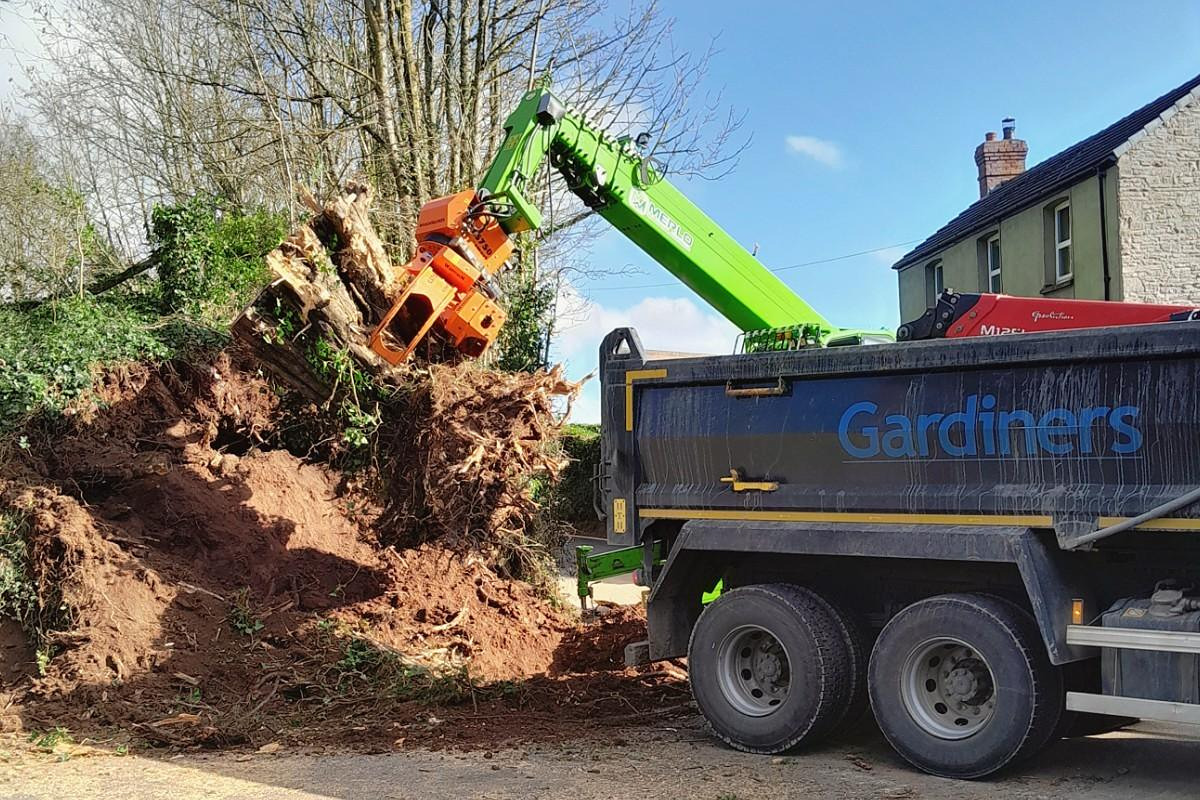
Removal of the Dorstone Yew: no evidence of it having been assessed in accordance with Council's own guidance
A yew immediately north of Dorstone in the Golden Valley, at the junction of the B4348, Pentre Lane and Spoon Lane, was removed by contractors on the basis that it "posed an immediate risk to road users and nearby homes.” No evidence to support that claim was provided and the extreme measure required to grub it out would seem to fly in the face of any claim that it was at 'immediate risk' of collapse. Following requests made under the Environmental Information Regulations, it was revealed that the tree was condemned after a highways inspector had "deemed the tree to be dangerous". It was also stated that "the Assessment and Job were carried out in accordance with the Highway Maintenance Plan"
However, the Maintenence Plan in question states that "Where tree maintenance is required a qualified arboriculturist will be used to inspect trees of specific concern. " No record of an inspection by any such qualified person has been forthcoming, from which it must be assumed that the work to grub out the tree was carried out in breach of the Council's own guidance
(Pictures & Video by John Morgan)
Tax-break trees: how woodland became a store of wealth for the rich
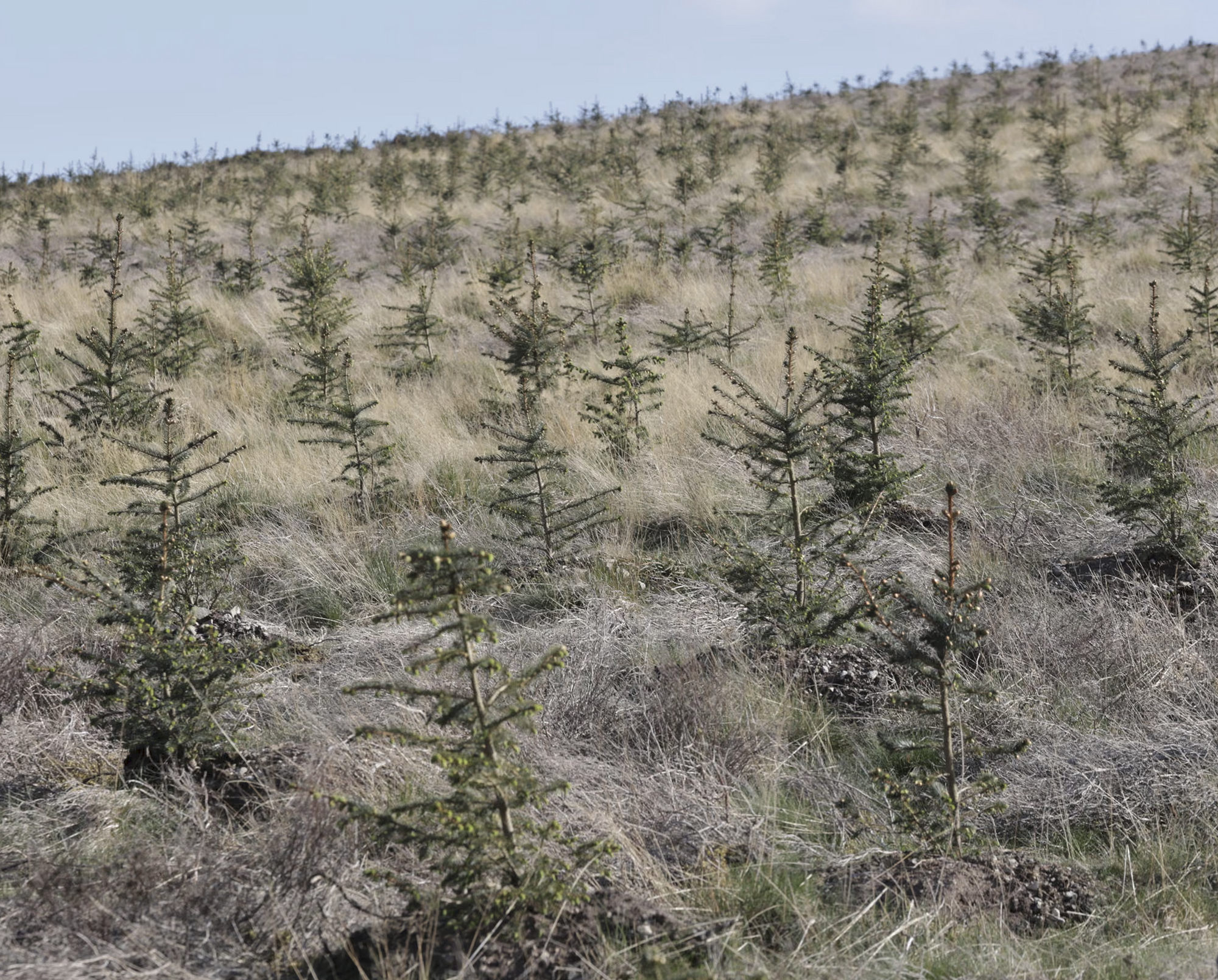
A report in The Guardian by journalist Lauren Almeida sets out how wealthy investors are increasingly buying up moorlands to strip them of their natural flora and fauna to establish monocultural stands of Sitka spruce, simply to save Britain’s wealthiest families millions of pounds in inheritance tax. The battle over plans to plant timber-producing trees on the English–Scottish border highlights growing tensions between environmental protection, inheritance tax planning and the financialisation of the countryside. Critics argue that valuable habitats and local communities are paying the price, with a small and endangered butterfly becoming a symbol of the larger debate about land, wealth and conservation in Britain.
The Northern Brown Argus, a nationally scarce species and one of Scotland's most threatened butterflies relies on the presence of Common Rock-rose which is the sole foodplant of the butterfly’s caterpillar. The stripping of land prior to planting the stands of conifers destroys this foodplant, with potentially devastating effect on the butterfly. Because the insect is designated as “vulnerable”, campaigners have won a small victory: a legal challenge has forced the local environmental regulator to halt plans for a forest plantation in Todrig in order that more checks can be carried out. However, this could be only a temporary reprieve: The the City of London based Gresham House, the eleven billion pound 'Asset Management' company that bought the land in 2022, is still aiming to turn the land into a tree farm....
Grey Squirrel Activity and Impact Assessment
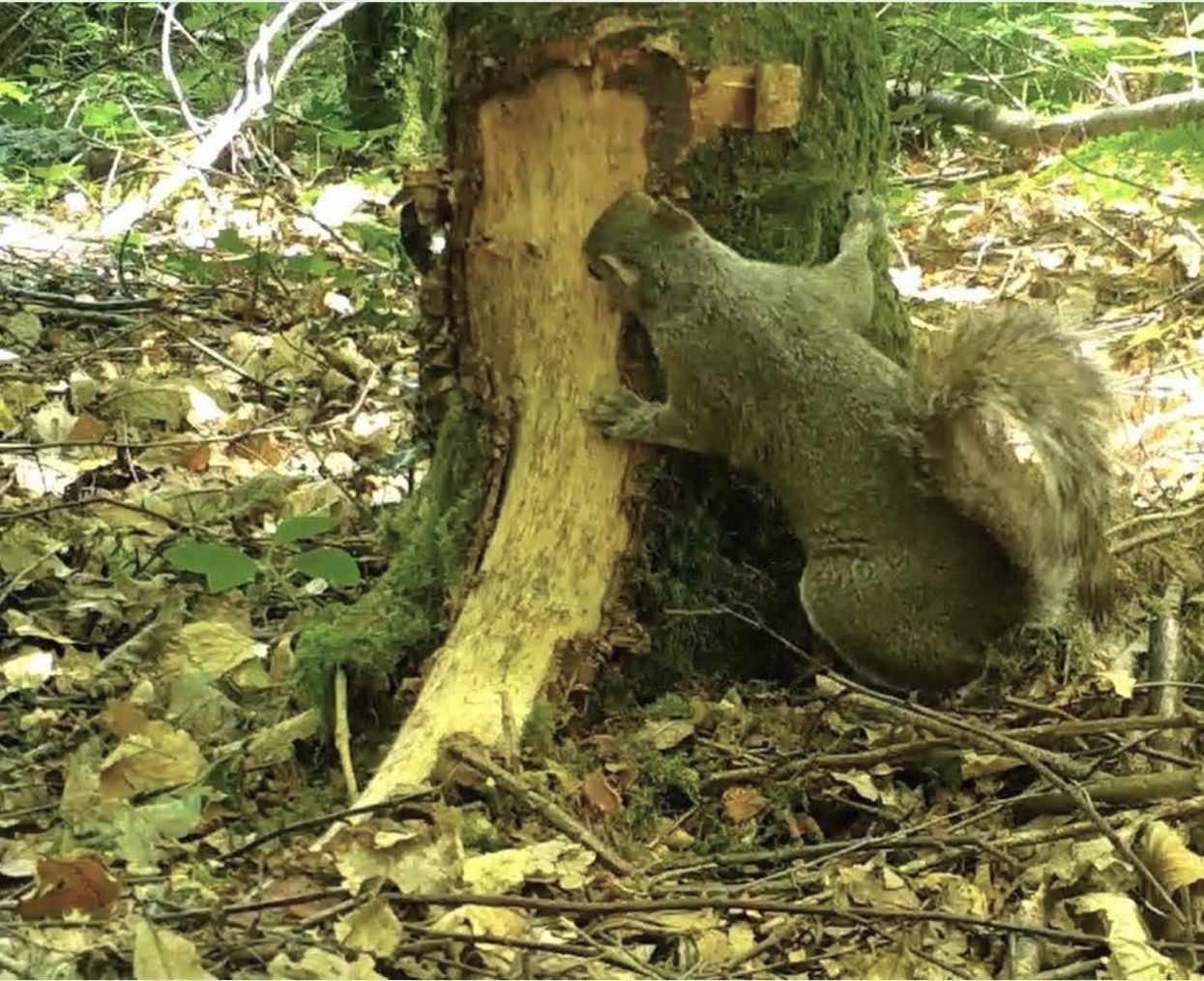
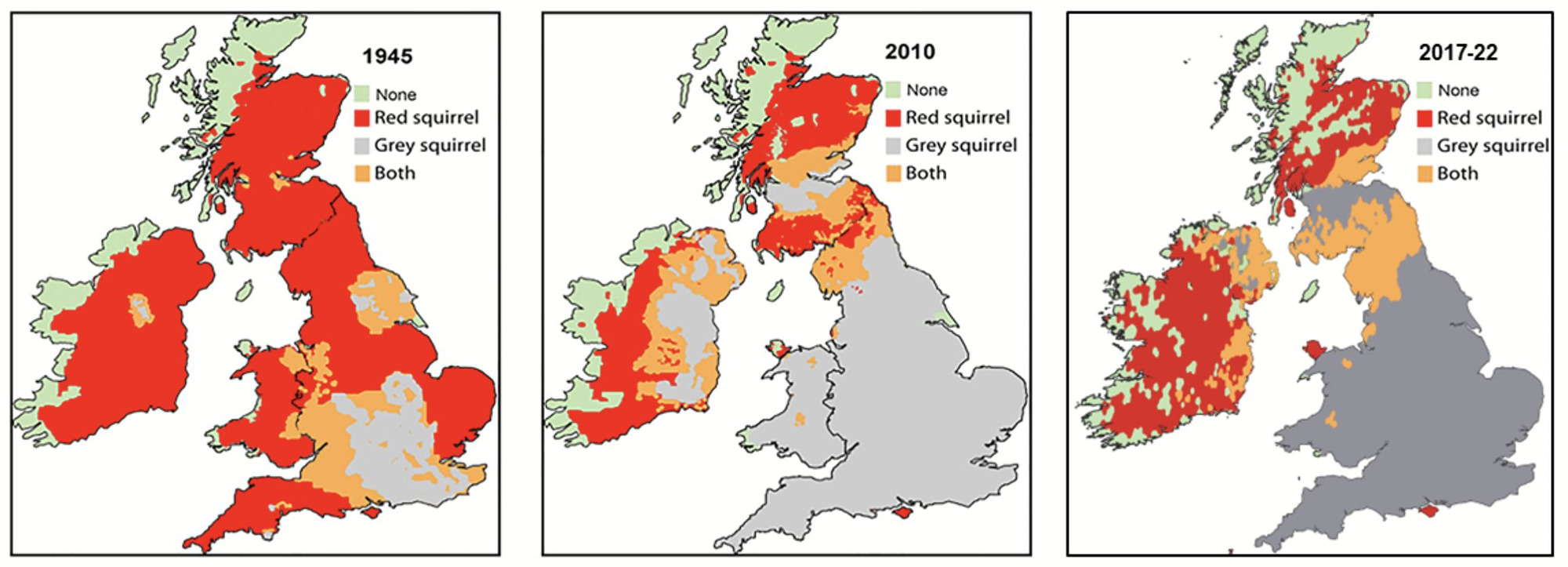
Grey squirrels are estimated to cause around £37m of damage to trees in England and Wales each year. Monitoring the activity and impact of grey squirrels in woodlands is therefore vital for maintaining a healthy environment. UK Squirrel Accord and The National Forest invite participants to take part in a nationwide survey to collect data and to assess the severity of damage caused by these non-native animals. The maps below, provided by UK Squirrel Accord, indicate the impact that the spread of grey squirrels has had on our native reds over the years 1945-2022. See below for Links to Impact Assessment Training .
New research investigates role of natural processes to create woodland
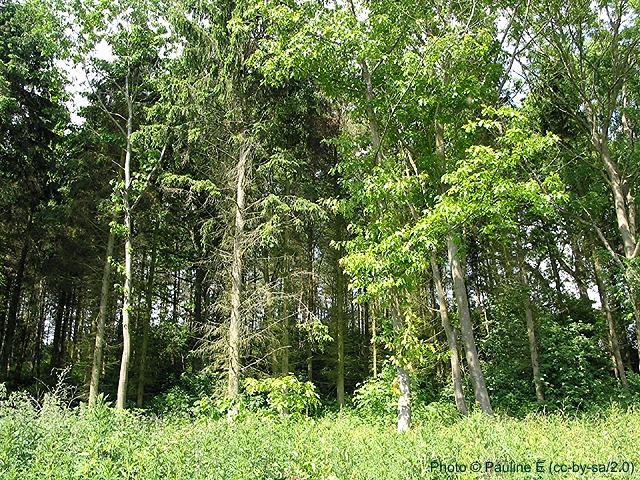
Forest Research has published one of the most comprehensive reviews to date on using natural processes such as natural colonisation as an alternative to tree planting for woodland creation.
Findings show that these methods can expand tree cover, support biodiversity, and create resilient woodlands, though uptake among land managers remains limited due to uncertainty and practical challenges.
Researchers highlight the benefits of hybrid approaches that combine natural processes with planting, alongside the need for better guidance and support.
More news for the Forestry Commission: click on the green buttons below:
Wildlife declining in UK woods despite more tree cover, major new report reveals
The State of the UK’s Woods and Trees 2025 report, published by the Woodland Trust has revealed that the quantity and variety of woodland wildlife is plummeting, despite a marginal rise in tree cover. The Trust says this is due to the deteriorating ecological condition within UK woodlands.
Expanding on the groundbreaking first State of the UK’s Woods and Trees report in 2021 which showed that only 7% of Britain’s native woodland was in good condition, the new report warns that these vital ecosystems are less effective as habitats for wildlife because they lack complexity, such as having enough trees of differing ages, states and sizes.
With forests under pressure from drought, heat, disease and deer, a study has found fewer trees across a range of species are surviving to maturity.
In some UK woodlands, every young tree has died. What’s going wrong?
In 2022, Ladvocat, Mailes and their research team from Birmingham University were out sampling when they noticed that the small trees that typically cover the woodland floor were increasingly hard to find. From Buckholt Wood in Monmouthshire to Glen Tanar in the Cairngorms, new research from eight ancient woodlands across the UK reveals a deeply troubling pattern: these forests are struggling to regenerate.
CONTACT US
Herefordshire Tree Forum: [email protected]
Herefordshire Tree Warden Network: [email protected]
Herefordshire Ancient Tree Forum: [email protected]